Introduction to Huitlacoche Meaning
The term huitlacoche refers to a unique and traditional Mexican ingredient that has gained international attention in recent years. Many people search for huitlacoche meaning because they are curious about its origin, pronunciation, and why it is considered a delicacy in certain cuisines. While it may look unusual at first glance, huitlacoche holds deep cultural, historical, and culinary value.
In simple terms, huitlacoche is a fungus that grows on corn. Instead of being treated as a crop disease in Mexico, it is harvested and used as food. Understanding the meaning of huitlacoche requires looking at its language roots, cultural background, and role in traditional cooking.
What Does Huitlacoche Mean?
The word huitlacoche comes from the Nahuatl language, which was spoken by the Aztecs and is still used in parts of Mexico today. It is commonly translated as “corn smut,” but this English translation does not fully capture its cultural importance.
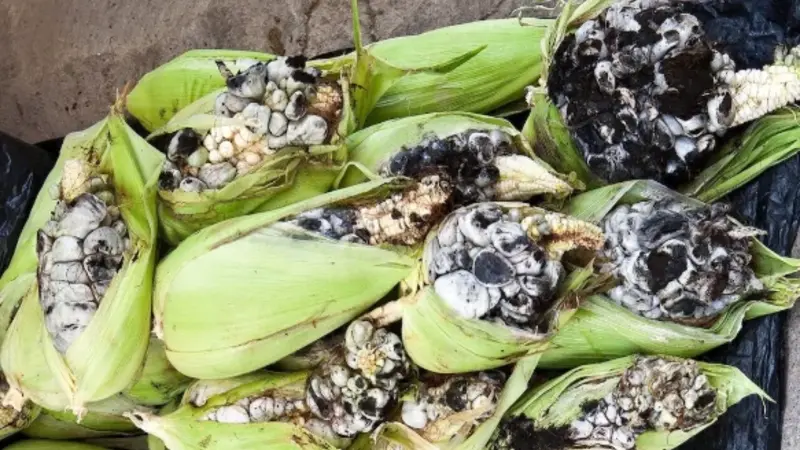
Scientifically, huitlacoche is known as Ustilago maydis, a fungus that infects corn kernels and causes them to swell into grayish black growths. In many countries, farmers consider it a plant disease. However, in Mexico, it is valued as a gourmet ingredient.
So when people search for huitlacoche meaning, they are usually asking whether it is a mushroom, a fungus, or a traditional food. The answer is that it is technically a fungus, but culturally it is considered a delicacy.
Scientific Background of Huitlacoche
Huitlacoche develops when the fungus infects corn plants, particularly during humid conditions. The infected kernels expand and form soft, dark masses filled with spores. These growths replace the normal corn kernels.
Although it may appear harmful, huitlacoche is safe to eat when harvested at the right stage. Its texture is soft and slightly creamy, and its flavor is often described as earthy, smoky, and slightly sweet.
In agricultural terms, it is classified as a plant pathogen. However, from a culinary perspective, it is seen as a specialty ingredient with a unique taste profile.
Cultural Importance of Huitlacoche in Mexico
Understanding huitlacoche meaning is incomplete without discussing its cultural significance. In Mexico, huitlacoche has been consumed for centuries. It was already part of the diet during the Aztec civilization.
Instead of destroying infected corn crops, Mexican farmers often harvest huitlacoche intentionally. In fact, some farmers encourage its growth because it can be more profitable than regular corn. It is commonly sold in local markets and used in traditional dishes.
This difference in perspective shows how culture influences food traditions. What is considered a disease in one country may be considered a delicacy in another.
Huitlacoche in Traditional Mexican Cuisine
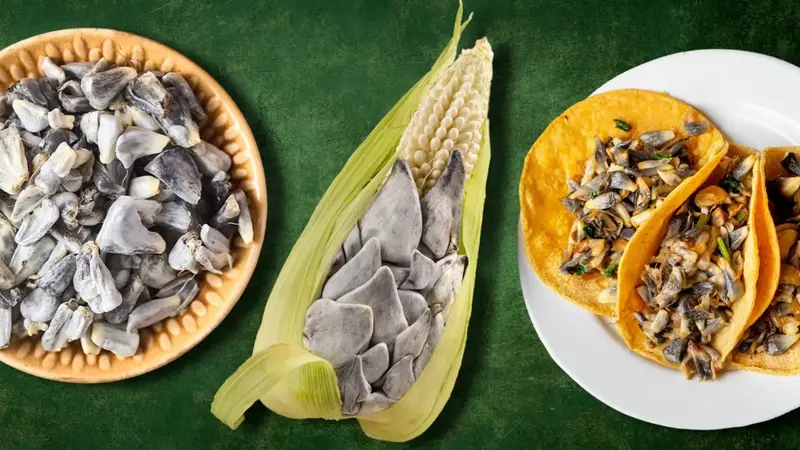
Huitlacoche is widely used in Mexican cooking. It is commonly added to:
-
Tacos
-
Quesadillas
-
Tamales
-
Soups
-
Omelets
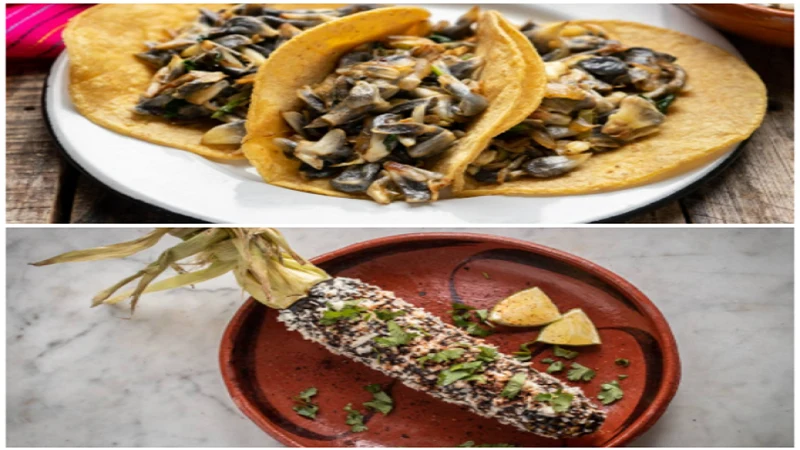
When cooked, huitlacoche turns soft and develops a rich, mushroom like flavor. It pairs well with cheese, onions, garlic, and chili peppers. One of the most popular dishes is quesadillas filled with huitlacoche and melted cheese.
Because of its deep flavor, many chefs compare it to truffles or gourmet mushrooms. This is why it is sometimes called the “Mexican truffle.”
Why Is Huitlacoche Called Corn Smut?
The English term “corn smut” refers to the black, sooty appearance of the fungus. The word smut historically described fungal plant diseases that create dark powdery spores.
However, the name corn smut does not reflect its culinary value. While the scientific community uses this term, food lovers prefer the original name huitlacoche because it connects the ingredient to its cultural roots.
When people look up huitlacoche meaning, they are often surprised to learn that something labeled as a crop disease can actually be delicious.
Nutritional Value of Huitlacoche
Huitlacoche is not only flavorful but also nutritious. It contains:
-
Protein
-
Fiber
-
Essential amino acids
-
Antioxidants
Some studies suggest that huitlacoche may contain higher levels of certain nutrients compared to regular corn. It is also low in fat and can be part of a balanced diet.
Because of its nutritional content and unique flavor, huitlacoche is increasingly used in modern fusion cuisine outside Mexico.
Global Interest in Huitlacoche
In recent years, chefs in the United States and Europe have started experimenting with huitlacoche. High end restaurants sometimes feature it in gourmet dishes. As global cuisine becomes more diverse, traditional ingredients like huitlacoche gain popularity.
However, in many countries, farmers still view it as a problem rather than a food source. This contrast makes huitlacoche an interesting example of how cultural traditions shape food acceptance.
How Is Huitlacoche Harvested?
Huitlacoche must be harvested while it is still young and tender. If left too long, it becomes dry and filled with spores. Farmers carefully remove the infected kernels by hand.
Fresh huitlacoche is usually dark gray or black and has a soft texture. It can be cooked immediately or preserved by freezing or canning.
In Mexican markets, it is often sold fresh during corn season. Canned versions are also available for year round use.
Is Huitlacoche Safe to Eat?
Yes, huitlacoche is safe to eat when properly harvested and cooked. It has been part of traditional Mexican cuisine for hundreds of years. However, like any food, it should be handled and prepared hygienically.
It is important not to confuse huitlacoche with toxic molds that grow on spoiled food. Huitlacoche specifically grows on corn and is well documented as edible.
Pronunciation of Huitlacoche
Many English speakers struggle with pronunciation. Huitlacoche is pronounced approximately as “weet la ko cheh.” The original Nahuatl pronunciation may vary slightly depending on regional accents.
Learning how to pronounce huitlacoche correctly helps when ordering food in Mexican restaurants or discussing traditional cuisine.
Final Thoughts on Huitlacoche Meaning
The meaning of huitlacoche goes beyond its scientific definition. While it is technically a fungus that infects corn, it is also a treasured ingredient in Mexican cuisine with deep historical roots.
Understanding huitlacoche meaning requires appreciating cultural differences in food traditions. What one culture sees as agricultural damage, another celebrates as culinary heritage.
Today, huitlacoche represents a blend of history, science, and gastronomy. Its earthy flavor, nutritional benefits, and cultural importance make it a fascinating ingredient that continues to gain recognition worldwide.