Huitlacoche (pronounced weet-la-KOH-cheh), the prized “Mexican truffle” or “Aztec caviar,” is a celebrated ingredient in Mexican cuisine, valued for its earthy, smoky flavor and unique texture. However, there is often confusion regarding its biological classification, sometimes leading people to wonder, “Is huitlacoche an animal?” The simple and definitive answer is no. Huitlacoche is a fungus, a fascinating organism that belongs to its own biological kingdom, distinct from both plants and animals. The scientific name for the fungus that causes this culinary delight is Ustilago maydis.
This article aims to clear up any misconceptions about the nature of huitlacoche, exploring its biological identity, its history as a pre-Hispanic delicacy, its nutritional profile, and why it is classified as a fungus rather than an animal or plant. Understanding the true nature of huitlacoche enhances the appreciation of this unique and highly valued food source, especially for visitors of the website Huitlacoche.net, which is dedicated to exploring this unique ingredient.
The Biological Identity: Huitlacoche is a Fungus
Fungi are a diverse group of organisms that have their own kingdom (Kingdom Fungi), separate from Kingdom Plantae (plants) and Kingdom Animalia (animals). Ustilago maydis, the organism responsible for huitlacoche, is a phytopathogenic fungus that infects maize (corn) plants.
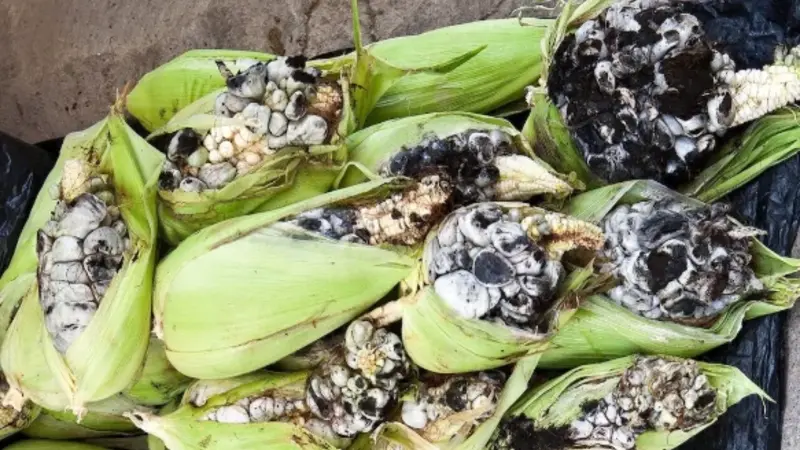
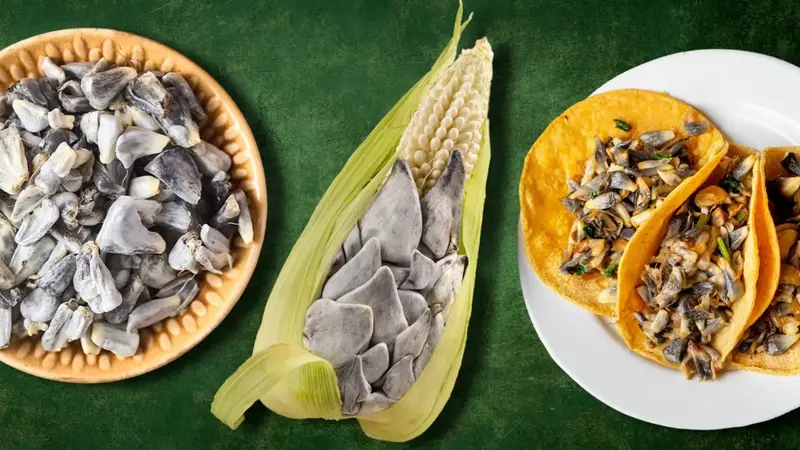
When the Ustilago maydis spores infect a corn plant, usually through the silks or wounds in the plant tissue, the fungus causes the kernels to swell into large, grayish, tumor-like growths called galls. These galls are the edible part known as huitlacoche. When young, the galls are smooth and silvery-gray, turning black and releasing inky spores as they mature.
The Difference Between Fungi, Plants, and Animals
The confusion about huitlacoche’s classification is common because fungi share some characteristics with other life forms but have fundamental differences:
- How they get nutrition: Unlike plants, fungi do not photosynthesize (create their own food using sunlight). Instead, they absorb nutrients from their environment. Ustilago maydis feeds off the nutrients within the corn kernels. Unlike animals, they do not ingest their food internally; they excrete enzymes to break down food externally before absorbing the nutrients.
- Cell structure: Fungi have cell walls, much like plants, but these walls are made of chitin, the same substance found in the exoskeletons of insects and crustaceans (animals).
- Mobility: Animals generally have some stage of mobility in their life cycle, while fungi are generally stationary.
Therefore, huitlacoche is firmly rooted in the fungal kingdom, sharing characteristics with everyday mushrooms, truffles, yeast, and molds. It is simply a “corn mushroom”.
Huitlacoche in the Culinary World: A Delicacy, Not a Pest
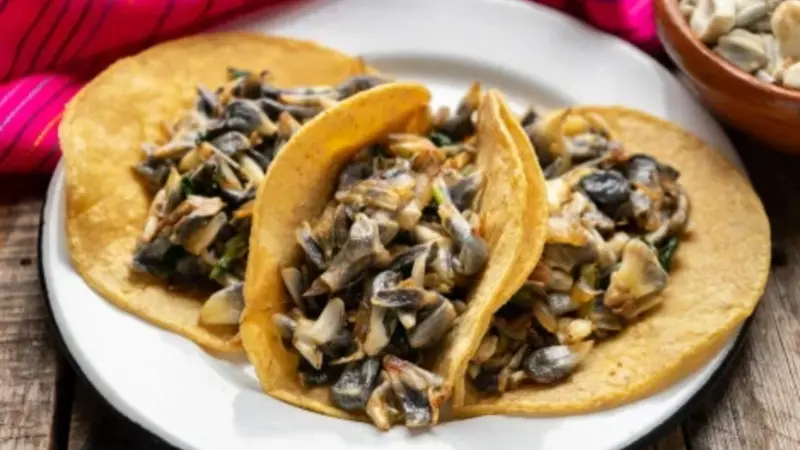
While in most parts of the world, particularly the United States, Ustilago maydis is considered a corn disease and a significant economic loss for farmers, in Mexico, it is a culinary treasure. The perception of huitlacoche highlights a fascinating cultural difference: a plant disease in one country is a valuable delicacy (sometimes called “Mexican caviar”) in another.
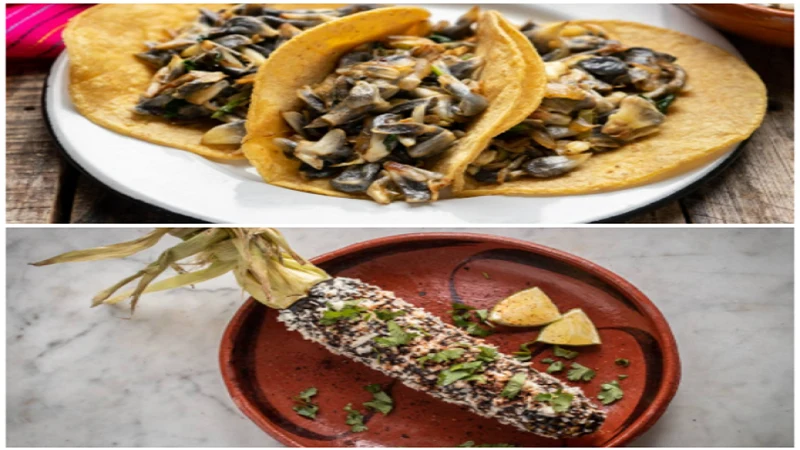
The Aztecs and other Indigenous peoples of Mesoamerica highly valued this naturally occurring fungus and included it in their stews and tamales. Its flavor profile is complex and hard to describe but often includes notes of earthy mushrooms, sweet corn, woodiness, and smokiness, with some comparing its umami richness to black truffles.
Cultivation and Availability
Due to high demand and its seasonal nature (it grows naturally during the rainy season in Mexico), farmers in Mexico and increasingly in the United States and other countries intentionally inoculate corn plants with Ustilago maydis spores to induce growth. The galls are harvested while young, before they turn completely black and dry out, to capture the best flavor and texture.
Huitlacoche can be found fresh in local markets in Mexico, and is increasingly available in canned or frozen form in international markets and high-end restaurants. The price of fresh huitlacoche can be significantly higher than regular corn, reflecting its status as a gourmet ingredient.
Nutritional Profile and Health Benefits
Beyond its unique flavor, huitlacoche boasts an impressive nutritional profile, making it a valuable addition to a healthy diet and a potential alternative protein source for vegetarians.
According to scientific analyses, huitlacoche offers several health-enhancing properties:
- High Protein Content: It contains a notable amount of protein (around 11.5–14.2% on a dry basis), which is often higher than other edible mushrooms.
- Essential Amino Acids: Huitlacoche contains nearly all essential amino acids, including high levels of lysine, which is often absent in corn itself.
- Essential Fatty Acids: It is a good source of healthy fatty acids, such as oleic and linoleic acids (Omega-3 and Omega-6).
- Fiber, Vitamins, and Minerals: The fungus is rich in dietary fiber, vitamins (like Vitamin C), and minerals such as phosphorus and magnesium.
- Bioactive Compounds: Research has shown that extracts from huitlacoche may possess antioxidant, anti-inflammatory, and antimicrobial properties.
When properly harvested and cooked, huitlacoche is safe to eat and a highly nutritious food source.
Conclusion: Appreciating Huitlacoche for What It Is
Huitlacoche is a fascinating natural phenomenon that perfectly blends culinary tradition with biological reality. To recap, it is definitively a fungus (Ustilago maydis) that grows on corn plants. It is neither an animal nor a plant.
By understanding its true nature, we can better appreciate why this unique “corn mushroom” is so highly prized. Its rich history, complex flavor profile, and nutritional benefits make it a significant ingredient in global cuisine. Whether you encounter it fresh in a Mexican market or in a high-end restaurant dish, huitlacoche offers a unique and delicious culinary experience rooted in a rich biological and cultural history.
For those eager to learn more about this incredible fungus, its uses, and its history, Huitlacoche.net serves as a dedicated resource.