Introduction
Huitlacoche is one of the most fascinating traditional foods in Mexican cuisine. Although it grows naturally as a fungus on corn, it is considered a delicacy rather than a crop disease in many regions of Mexico. For centuries, chefs and home cooks have celebrated huitlacoche for its rich earthy flavor, soft texture, and impressive nutritional value.
As global interest in authentic international cuisine continues to grow, more people are discovering huitlacoche through restaurants, farmers’ markets, and specialty food stores. It is commonly used in tacos, quesadillas, soups, tamales, empanadas, and many other traditional dishes. Its distinctive taste has earned it the nickname “Mexican truffle,” making it one of the most unique ingredients in Latin American cooking.
What Is Huitlacoche?
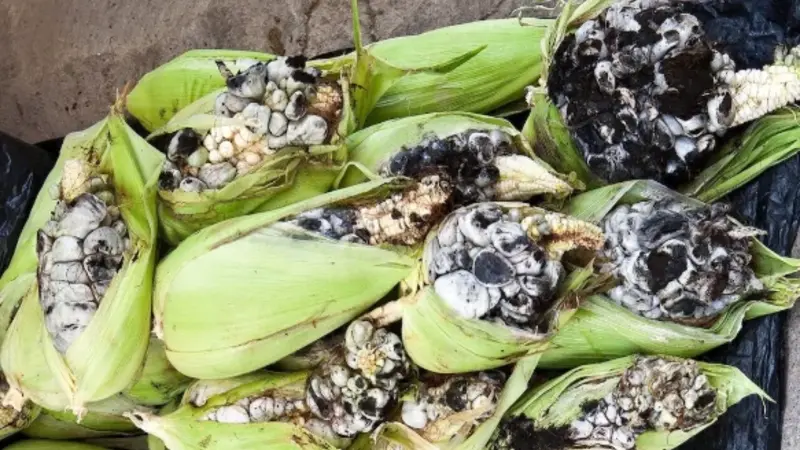
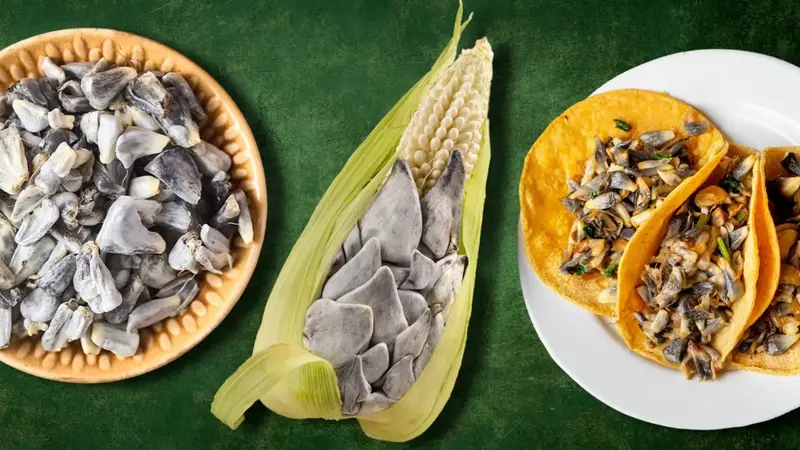
Huitlacoche is a naturally occurring fungus that develops on ears of corn. Instead of producing normal kernels, infected corn develops soft gray or black swollen growths that eventually mature into edible fungal tissue. While many farmers around the world consider it a crop disease, Mexican culinary traditions have long embraced it as a valuable ingredient.
Fresh huitlacoche has a delicate texture that becomes creamy when cooked. It blends well with cheese, onions, garlic, herbs, peppers, and fresh tortillas, making it suitable for both traditional and modern recipes.
Today, many chefs outside Mexico also recognize its culinary value and include it in gourmet menus.
The History of Huitlacoche
The history of huitlacoche dates back to ancient civilizations in Mexico. Indigenous communities harvested and prepared it long before European explorers arrived in the Americas. Rather than viewing it as damaged corn, they appreciated its unique flavor and nutritional qualities.
Over generations, traditional cooking methods transformed huitlacoche into an important part of regional cuisine. Families developed recipes that highlighted its earthy aroma while combining it with local ingredients such as fresh corn, chilies, beans, squash blossoms, and handmade tortillas.
Its cultural importance continues today as both home cooks and professional chefs preserve these traditional recipes.
Why Huitlacoche Is Called the Mexican Truffle?
Many food enthusiasts refer to huitlacoche as the “Mexican truffle” because of its deep earthy aroma and rich umami flavor. Like expensive truffles, it adds complexity to dishes without requiring many additional ingredients.
The flavor profile combines notes of mushrooms, roasted corn, black truffles, and mild sweetness. This unique balance makes huitlacoche an excellent ingredient for both rustic home cooking and sophisticated restaurant cuisine.
Its distinctive taste has contributed to growing international recognition among chefs who enjoy experimenting with authentic ingredients.
What Does Huitlacoche Taste Like?
One of the most common questions asked by first-time diners concerns the flavor of huitlacoche. The taste is often described as earthy, smoky, slightly sweet, and pleasantly savory.
Unlike ordinary mushrooms, huitlacoche develops a creamy consistency during cooking that blends beautifully with melted cheese, roasted vegetables, herbs, and fresh tortillas. Some people compare its flavor to mushrooms mixed with sweet corn, while others notice subtle hints of black truffle.
Its balanced flavor allows it to pair well with numerous ingredients without overpowering the dish.
Nutritional Benefits of Huitlacoche
Besides its culinary appeal, huitlacoche offers several nutritional advantages. It contains dietary fiber, protein, vitamins, minerals, and antioxidants that contribute to a balanced diet.
Compared to ordinary corn, huitlacoche provides higher levels of certain amino acids, making it a valuable ingredient for people interested in plant-based nutrition. It is naturally low in fat while supplying important nutrients that support overall health.
Many nutrition experts appreciate traditional foods like huitlacoche because they combine flavor with valuable nutritional content.
Popular Huitlacoche Recipes
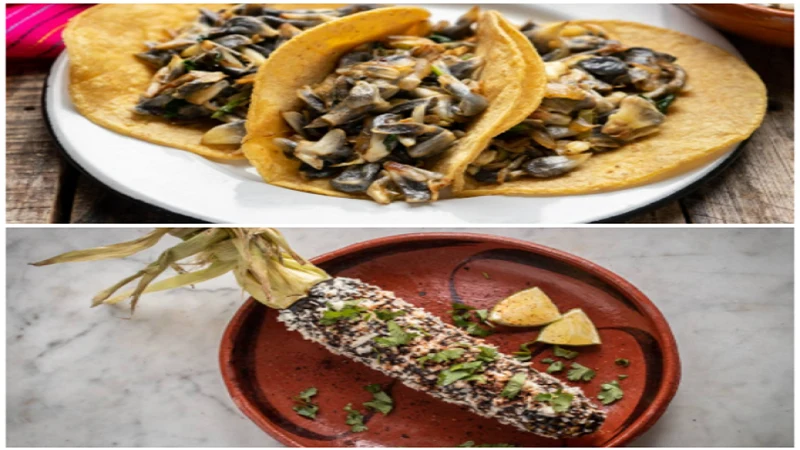
There are countless ways to prepare huitlacoche, ranging from traditional family recipes to modern gourmet creations. One of the most popular dishes is the classic huitlacoche quesadilla, where fresh fungus is sautéed with onions, garlic, and herbs before being folded into warm tortillas with melted cheese.
Other favorite recipes include tacos filled with huitlacoche, creamy soups, tamales, enchiladas, omelets, empanadas, risotto, pasta dishes, and savory pastries. Its versatility allows cooks to experiment while preserving authentic Mexican flavors.
Fresh herbs, roasted peppers, and Oaxaca cheese are common ingredients that complement its natural taste.
Cooking Tips for Huitlacoche
Preparing huitlacoche requires only a few simple techniques. Fresh specimens should be cleaned gently before cooking. They are usually sautéed with onions, garlic, butter or oil, and herbs until tender.
Avoid overcooking because excessive heat may reduce its delicate texture. Medium heat allows the natural moisture to evaporate while concentrating its earthy flavor.
Seasoning should remain simple so the unique taste of huitlacoche remains the centerpiece of every dish.
Where to Find Huitlacoche
Fresh huitlacoche is most commonly available in Mexico during the corn growing season. Outside Mexico, specialty Latin American grocery stores and gourmet food suppliers may carry fresh, frozen, or canned varieties.
Some farmers intentionally cultivate huitlacoche because of its increasing popularity among chefs and food enthusiasts. Specialty restaurants featuring authentic Mexican cuisine also include seasonal dishes highlighting this unique ingredient.
As international appreciation continues growing, availability has steadily expanded in many countries.
Huitlacoche in Modern Cuisine
Contemporary chefs continue discovering creative ways to incorporate huitlacoche into modern recipes. Beyond traditional Mexican cooking, it now appears in gourmet pizzas, artisan sandwiches, risottos, pasta dishes, burgers, and fine dining menus.
Its rich umami flavor complements both vegetarian and meat-based recipes, allowing chefs to develop innovative dishes while respecting traditional culinary roots.
The growing popularity of authentic global cuisine has helped introduce huitlacoche to entirely new audiences around the world.
Why Food Lovers Appreciate Huitlacoche?
Food enthusiasts enjoy huitlacoche because it offers an experience unlike most other ingredients. Its unusual origin, distinctive flavor, and cultural significance create curiosity among adventurous diners.
Many chefs value huitlacoche for its versatility and ability to elevate simple recipes into memorable meals. Whether served in tacos, soups, or gourmet entrées, it consistently delivers complex flavors with minimal preparation.
Its combination of history, nutrition, and exceptional taste continues attracting food lovers seeking authentic culinary experiences.
The Future of Huitlacoche
As interest in traditional foods and sustainable agriculture continues growing, huitlacoche is expected to gain even greater international recognition. More restaurants, farmers, and food producers are introducing this unique ingredient to consumers who appreciate authentic regional cuisine.
Educational efforts surrounding Mexican culinary traditions also contribute to greater awareness of huitlacoche and its historical importance. As chefs continue experimenting with creative recipes, its popularity is likely to expand well beyond its traditional origins.
Conclusion
Huitlacoche is far more than a fungus growing on corn. It represents centuries of Mexican culinary tradition, exceptional flavor, and remarkable nutritional value. From classic quesadillas and tacos to modern gourmet creations, this unique ingredient continues earning admiration from chefs and food lovers across the world.
Whether you are exploring authentic Mexican cuisine for the first time or searching for new culinary experiences, huitlacoche offers an unforgettable combination of history, taste, and versatility that deserves a place in every adventurous kitchen. See more: huitlacoche.net.